






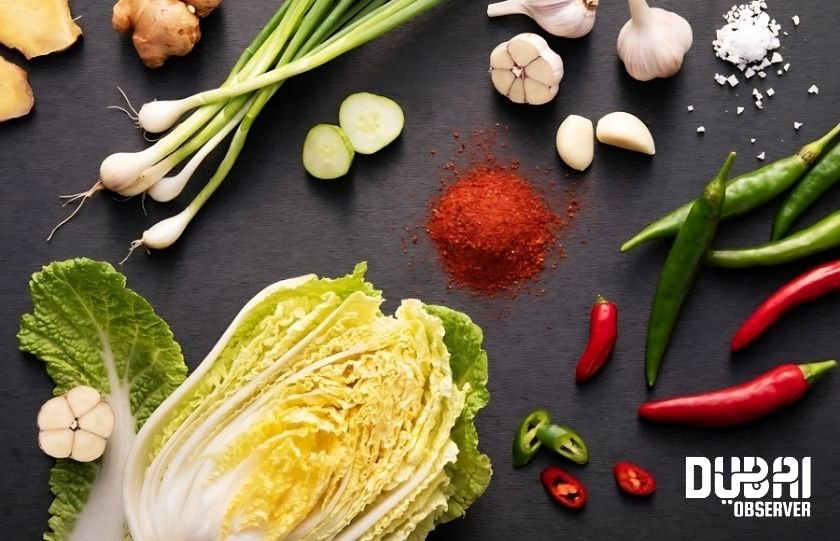

The Kimchi dish is a cornerstone of Korean cuisine and culture. Known for its vibrant red color, spicy-tangy flavor, and countless health benefits, kimchi has made its way into kitchens and restaurants worldwide.
But here’s the good news: you don’t have to travel to Seoul or visit an expensive Korean restaurant to enjoy authentic kimchi. With the right ingredients, tools, and some patience, you can make it right at home. This guide walks you through the entire process from choosing the best vegetables to mastering the fermentation stage, so you can enjoy fresh, homemade kimchi whenever you want.
Why Make Kimchi at Home?
1. Control Over Ingredients
Store bought kimchi is convenient but often comes with preservatives or artificial flavor enhancers. Making it yourself ensures everything is fresh, natural, and customized to your taste.
2. Budget Friendly
One large batch of homemade kimchi can cost less than buying two small jars from a store. Plus, it keeps for weeks or even months.
3. Endless Variations
Want it spicier? Prefer vegan kimchi? Making it at home lets you adjust the recipe exactly how you like it.
Essential Ingredients for Authentic Kimchi
The Base Vegetables
- Napa Cabbage: The traditional choice for Korean kimchi, offering soft yet crunchy layers.
- Daikon Radish: Adds a fresh, peppery flavor and extra crunch.
Flavor Builders
- Korean Chili Powder (Gochugaru): Gives kimchi its signature heat and color.
- Garlic & Ginger: Provide depth and warmth.
- Green Onions: Add freshness and texture.
Seasonings & Umami Boosters
- Fish Sauce or Fermented Shrimp: Used in traditional recipes for savory richness.
- Salt: Essential for brining and preservation.
- Sugar or Asian Pear: Balances the spiciness with a touch of sweetness.
Step By Step Kimchi Recipe
Step 1. Preparing the Cabbage
- Cut the cabbage lengthwise into quarters, then chop into bite-sized pieces.
- Dissolve 1/2 cup salt in water and soak the cabbage for 2–3 hours, turning occasionally.
- Rinse the cabbage thoroughly to remove excess salt and set aside to drain.
Step 2. Making the Spice Paste
In a blender, combine:
- 1 cup gochugaru
- 6 cloves garlic
- 1 inch piece ginger
- 1/4 cup fish sauce (or soy sauce for vegetarian)
- 1 tablespoon sugar
- 1/2 cup water
Blend into a smooth paste. Adjust spice levels based on preference.
Step 3. Mixing Vegetables and Paste
- Place drained cabbage, sliced radish, and green onions in a large bowl.
- Add the spice paste and mix thoroughly using kitchen gloves. Ensure every piece of cabbage is coated.
Step 4. Packing and Fermentation
- Pack the mixture tightly into clean glass jars, leaving about 1 inch of space at the top.
- Press down firmly to remove air bubbles.
- Seal the jars and leave them at room temperature for 24 to 48 hours.
Step 5. Storage and Flavor Development
- After fermentation begins, store the jars in the refrigerator.
- Kimchi will continue fermenting slowly, developing a richer flavor over time.
Tips for Perfect Kimchi
Choose the Right Container
Glass jars are ideal because they don’t react with acidic ingredients.
Control the Fermentation Temperature
Cooler temperatures lead to slower fermentation and milder flavors.
Taste as You Go
The longer it ferments, the tangier it becomes. Taste daily to find your preferred level of sourness.
Ways to Enjoy Homemade Kimchi
- As a side dish with rice or noodles
- Stirred into fried rice or ramen
- In savory pancakes (Kimchi Jeon)
- As the base for spicy stews like Kimchi Jjigae
For more ideas, check out our article: Kimchi Dish Variations From Breakfast to BBQ.
Frequently Asked Questions
Can I make kimchi without fish sauce?
Yes, use soy sauce or miso paste for a vegan version.
How long does homemade kimchi last?
Properly stored, it can last 2 to 3 months in the fridge.
What if my kimchi smells too strong?
That’s normal as it ferments. However, if it smells rotten or has mold, discard it.
Conclusion
Making authentic kimchi at home is easier than most people think. With fresh ingredients, a little time, and some care, you can create a batch of kimchi that rivals the best Korean restaurants. Not only is it delicious, but it’s also a healthy, probiotic-rich addition to your diet.
Join the Conversation
Have you ever made kimchi at home? What tips or tricks worked best for you? Share your experiences in the comments. We’d love to hear from you.