



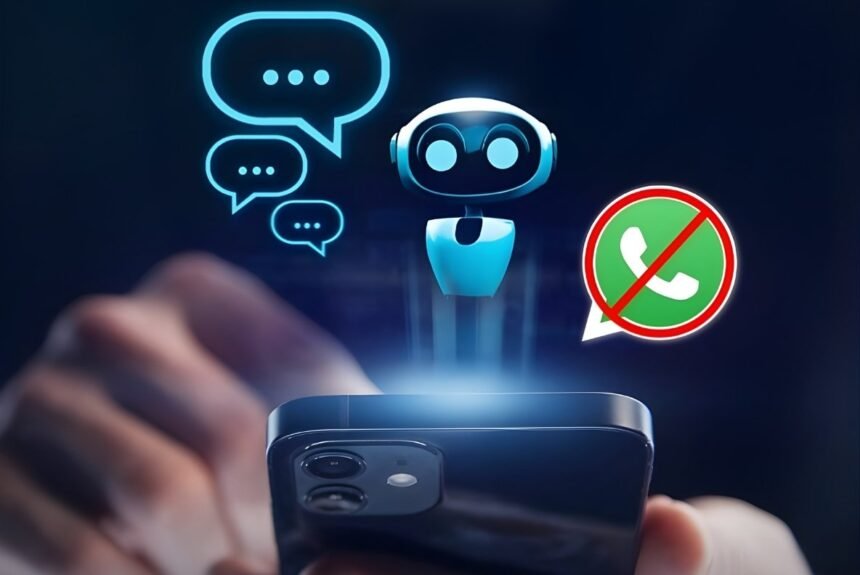

Meta is changing how AI works inside WhatsApp. Starting January 15, 2026, the company will officially ban general purpose AI chatbots, including ChatGPT and Perplexity, under its new WhatsApp Business API policy. This decision is expected to affect more than 50 million ChatGPT users who currently rely on WhatsApp for everyday conversations. It marks a major shift in how people interact with AI across messaging apps.
What’s Changing in WhatsApp’s AI Policy
Meta’s updated policy clearly restricts AI tools that act as general purpose assistants. According to the new guidelines:
“Providers and developers of artificial intelligence or machine learning technologies, including large language models and general purpose AI assistants, are strictly prohibited from using the WhatsApp Business Solution when such technologies are the primary functionality.” Meta stated
In simple words, ChatGPT style bots will no longer be allowed. However, business specific AI chatbots such as those built for customer service, delivery tracking or e-commerce can continue to operate as long as AI remains secondary to the main business purpose.
OpenAI’s Response to the Ban
Shortly after Meta’s announcement, OpenAI released an official statement:
“We’ve loved seeing more than 50 million of you chat, create and learn with ChatGPT on WhatsApp. While we would have preferred to continue serving you there, we’re focused on making this transition as easy as possible.”
OpenAI has advised users to move to the ChatGPT app available on iOS, Android, and web or the new ChatGPT Atlas browser platform for macOS.
Steps to Migrate Before January 15, 2026
- Download and sign in to the ChatGPT app.
- Message the contact 1-800-ChatGPT on WhatsApp.
- Tap the shared link to connect your existing account.
Why Meta Is Banning AI Chatbots
Meta’s move is based on both technical and strategic reasons.
Technical Perspective
From a technical perspective, WhatsApp’s infrastructure was not designed to handle the large number of open ended AI conversations, which could affect platform stability, privacy and compliance.
Strategic Perspective
From a strategic perspective, analysts believe Meta wants to strengthen its own AI ecosystem by directing users toward Meta AI, which is already integrated into WhatsApp, Messenger and Instagram.
As reported by 9to5Mac, Meta wants WhatsApp to remain a communication platform not an open testing ground for external AI models.
Meta’s Strategic Motivation: Revenue and Business Messaging
Beyond system strain, there’s a financial incentive. WhatsApp’s Business API, a key revenue stream charges businesses for marketing, support, authentication and utility messages. General purpose AI bots, however, don’t fit into this monetization framework. During Meta’s Q1 2025 earnings call, CEO Mark Zuckerberg stated:
“The third opportunity is business messaging. Right now the vast majority of our business is advertising in feeds on Facebook and Instagram. But WhatsApp now has more than 3 billion monthly active users, with more than 100 million people in the US and growing quickly there. Messenger is also used by more than a billion people each month, and there are now as many messages sent each day on Instagram as there are on Messenger. Business messaging should be the next pillar of our business.”
By restricting general purpose AI bots, Meta ensures WhatsApp messaging aligns with monetizable business use cases while promoting Meta AI as the default assistant.
What the Ban Means for Users
Starting January 15, 2026:
- ChatGPT and other AI bots will stop working on WhatsApp.
- Users can continue chatting through the ChatGPT app or Atlas web platform.
- Businesses may still use AI assistants for customer support if AI is not the main function.
- Users depending on WhatsApp for AI tasks should migrate early to protect their chat history and continuity.
Industry Reactions: Smart Move or Step Backward?
The announcement has sparked debate.
- Critics: Argue the ban limits innovation and user freedom.
- Supporters: See it as necessary to protect privacy, security and platform stability.
OpenAI’s community expressed disappointment but also optimism, seeing the transition as an opportunity to build a more powerful, independent ChatGPT experience via its app and ChatGPT Atlas.
The Future of AI on WhatsApp
Meta plans to position Meta AI as the default assistant, offering new tools such as:
- Smart replies and message summarization
- Image generation and creative tools
- In-app search and intelligent recommendations
Meanwhile, OpenAI continues to expand its own system by adding real time internet access, voice features, file uploads and personalized AI profiles that allow users to experience ChatGPT beyond WhatsApp.
A Shift in AI and Messaging Power
The WhatsApp AI ban marks a key moment in the relationship between AI and messaging platforms. While some users may lose convenience, the change highlights a bigger trend where technology companies are closing their systems to strengthen control, privacy and monetization. Whether this move supports innovation or limits creativity remains uncertain, but one thing is clear. The way we use AI is changing very fast.
Conclusion
WhatsApp’s upcoming ban on AI chatbots like ChatGPT will change how millions of people interact with AI every day. If you’ve been using it on WhatsApp, now’s the time to move to the ChatGPT app or Atlas to keep your conversations going. For businesses, it’s a reminder to design AI tools that fit within the platform’s rules. This move shows how tech giants are taking more control and our everyday chats with AI are about to look a little different.
Join the Conversation
Do you think Meta’s AI ban is a smart move for privacy or a step backward for innovation? Share your opinion in the comments below and let us know what you think about the future of AI chat platforms.