






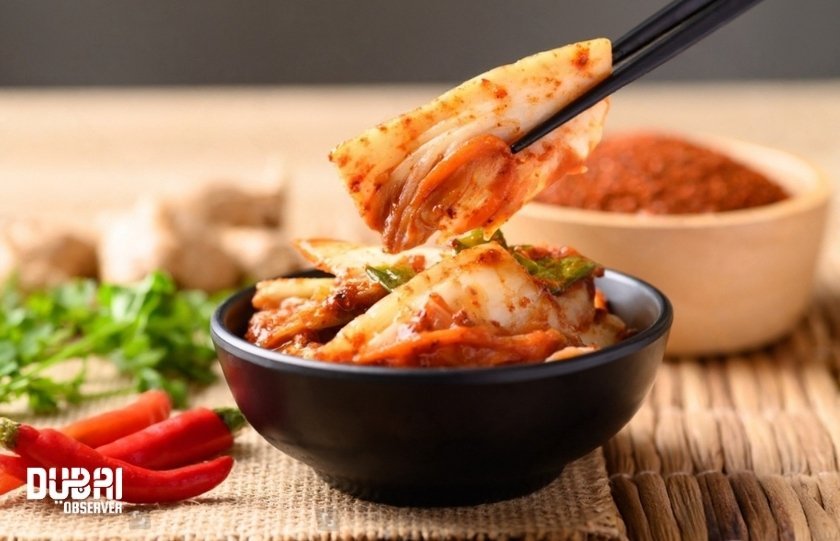

The kimchi dish has become one of the most talked-about foods in recent years. Once a humble Korean side dish, it now appears on menus around the world, from fine dining restaurants in Dubai to casual cafés in Europe and the US.
But what exactly is kimchi? Why does it remain so popular? And how did it become such an important part of Korean culture? This guide answers all your questions and explores the history, ingredients, health benefits, and the many ways you can enjoy the kimchi dish.
History and Origins of the Kimchi Dish
From Preservation to Culinary Icon
For more than 2,000 years, Koreans have made kimchi an essential part of their lives. They first created it as a simple way to preserve vegetables during the harsh winter months. Early versions used only salted cabbage and radish, but the arrival of chili peppers in the 16th century changed everything. Koreans then invented the spicy, red kimchi we recognize today.
Kimchi and Korean Culture
In Korea, kimchi represents more than food. Every year, families gather for Kimjang, the traditional event where they prepare enough kimchi to last the entire winter. This custom holds such importance that UNESCO listed it as part of Korea’s cultural heritage.
Ingredients and Basic Kimchi Recipe
What Goes Into Authentic Kimchi?
Traditional kimchi begins with napa cabbage or radish. Essential ingredients include:
- Korean chili powder (gochugaru)
- Garlic and ginger
- Fish sauce or fermented shrimp paste (optional for vegetarian versions)
- Salt and scallions
A Simple Way to Make Kimchi at Home
- Salt and rinse the cabbage.
- Prepare a paste with chili, garlic, ginger, and seasonings.
- Mix the vegetables with the paste until fully coated.
- Pack the mixture into jars and ferment it for one to two days.
- Store it in the fridge and enjoy it for weeks.
Different Types of Kimchi
Regional and Seasonal Varieties
Koreans make more than 180 types of kimchi. Some popular varieties include:
- Baek Kimchi: A mild, non-spicy white kimchi.
- Kkakdugi: Crunchy, cubed radish kimchi.
- Oi Sobagi: Cucumber kimchi, a summer favorite.
Modern Fusion Dishes
Today, chefs around the world mix kimchi into tacos, burgers, pasta, and fried rice. People everywhere love its tangy, spicy flavor.
Health Benefits of the Kimchi Dish
A Natural Probiotic Food
Because kimchi ferments naturally, it contains probiotics that support digestion, improve gut health, and strengthen the immune system.
Packed With Nutrients
Kimchi offers vitamins A, B, and C, along with antioxidants and fiber, while staying low in calories. Studies even suggest it may improve heart health and support weight management.
Kimchi Dish is Veg or Non Veg?
Why Some Kimchi Includes Seafood
Traditional recipes use fish sauce or fermented shrimp to add depth and umami flavor.
Vegetarian and Vegan Alternatives
Modern versions replace seafood with soy sauce, kelp, or miso paste, making kimchi ideal for vegetarians and vegans.
Kimchi Dish Around the World
Kimchi in Dubai and the UAE
Dubai’s food scene now features many Korean restaurants serving authentic kimchi. Asian supermarkets also stock fresh and packaged kimchi for home cooking.
A Global Favorite
From New York to Sydney, people enjoy kimchi in fine dining restaurants and street food stalls alike. It has evolved from a side dish to a key ingredient in global cuisine.
How to Eat Kimchi?
Traditional Korean Style
In Korea, families serve kimchi as banchan, the small side dishes that accompany almost every meal.
Dishes That Use Kimchi as a Star Ingredient
- Kimchi Jjigae: A spicy stew with tofu or pork.
- Kimchi Bokkeumbap: Fried rice with kimchi and a fried egg.
- Kimchi Jeon: Crispy, savory kimchi pancakes.
Frequently Asked Questions
How long does kimchi last?
If you store it properly in the fridge, kimchi stays fresh for several months.
Is all kimchi spicy?
No. White kimchi contains no chili and tastes mild.
Can I make kimchi without seafood?
Yes. Vegan recipes use soy sauce or kelp powder instead.
Conclusion
The Kimchi Dish blends flavor, tradition, and health benefits in one bowl. It connects Korea’s past to the present while offering a taste of its culture to the world. Whether you enjoy it as a side dish or in a modern fusion recipe, kimchi brings something special to every meal.
Join the Conversation
What’s your favorite way to enjoy the Kimchi Dish? Share your ideas in the comments below. We’d love to hear from you.